
Morgan Plus Four
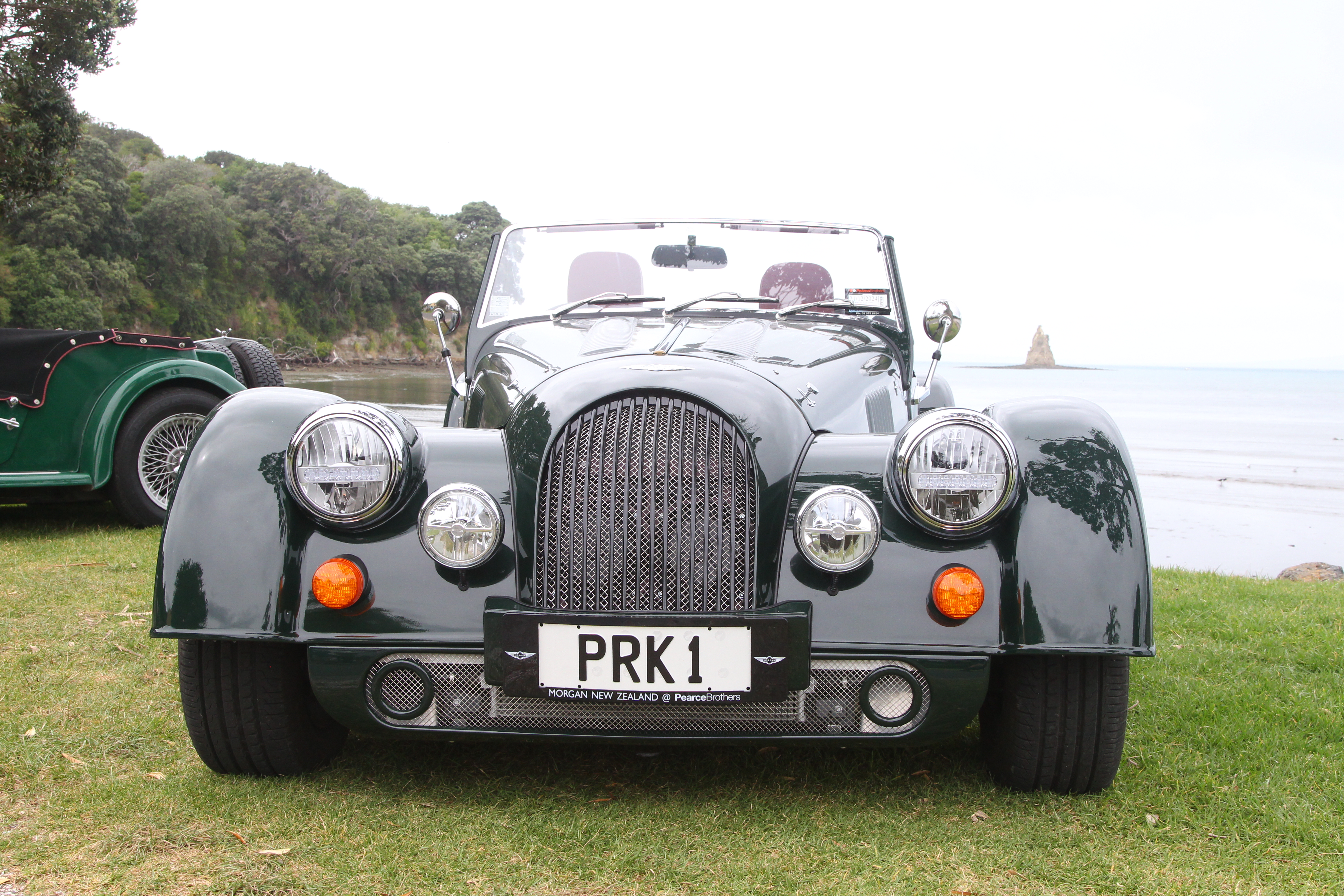
There are very few cars that look like they belong in a 1930s Le Mans paddock while hiding a BMW four-cylinder turbo under the bonnet. The Morgan Plus Four is one of them — and it pulls the trick off without a hint of apology.
Built by hand at Morgan's factory in Malvern, England, the Plus Four sits just below the six-cylinder Plus Six in the lineup, powered by BMW's 2.0-litre TwinPower four-cylinder producing 255 hp and up to 400 Nm of torque. It's available with a six-speed manual or eight-speed automatic, driving the rear wheels. 0–100 km/h arrives in around 4.8 seconds — which is a slightly alarming number for something with cycle-front-wings and no roof.
Old school, new platform
What makes the Plus Four genuinely interesting beyond the styling is the chassis. Morgan moved to an all-new bonded aluminium platform called CX-Generation, which doubled torsional rigidity over previous models while keeping the car light. The body is hand-formed aluminium over an ash wood frame — an approach Morgan has used in various forms since 1936, and one that continues to attract both admiration and mild bewilderment in equal measure.
The result is a car that weighs around 1,090 kg. With 255 hp on board and that kind of torque available low in the rev range, the power-to-weight ratio puts it firmly in the pay-attention category — without the outright ferocity of the Plus Six.
What it's like to be around
In British Racing Green with the hood down, a Plus Four at a car show stops people mid-sentence. It has presence without aggression, and character without novelty. The kind of car that prompts strangers to tell you about a relative who once owned something similar, or to simply stand and stare for a moment longer than they intended.
It's also — and this is the part modern cars rarely manage — genuinely involving to drive. No driver aids trying to second-guess you. Just chassis, engine, and road.